

These programs also enlist the support of family members and friends. This association indicates that the high rates of violent aggression shown by these monkeys probably result from impaired impulse control. Furthermore, escalated aggression in subjects with low CSF 5–HIAA concentrations is strongly correlated with measures of impulsivity (Higley et al. 1996b). In addition, alcohol consumption is binge-like and excessive in subjects with low CSF 5–HIAA concentrations (Higley et al. 1996e). Research has demonstrated a consistent relationship between alcohol use and violent behavior.
Understanding the 5 stages of intoxication
The changes can endure long after a person stops consuming alcohol, and can contribute to relapse in drinking. A low level of alcohol intoxication causes mild symptoms, while severe intoxication, or alcohol poisoning, can be life threatening. On the other hand, low to moderate levels of alcohol consumption (≤ 1 to 2 drinks/day) may decrease the risk of death due to cardiovascular disorders (1). Numerous https://ecosoberhouse.com/ explanations, including increased high density lipoprotein (HDL) levels and a direct antithrombotic effect, have been suggested. Nonetheless, alcohol should not be recommended for this purpose, especially when there are several safer, more effective approaches to reduce cardiovascular risk. The risk of alcohol poisoning and death increases in this stage as the person drinking enters a coma.
- These stages progress based on Blood Alcohol Content (BAC), so people progress through them as they have more to drink.
- When the arms and hands are outstretched, the hands suddenly drop, then resume their original position.
- Women may be more sensitive to the effects of alcohol than men, even on a per-weight basis.
- When left untreated, alcohol poisoning can cause brain damage or death.
- You may not lapse into a coma, but in this “formula,” you may be in what we’d jokingly refer to as the comatose stage, otherwise known as adios.
Stage 6: Death
A continuum of symptoms and signs of central nervous system (including autonomic) hyperactivity may accompany cessation of alcohol intake. In alcohol-naïve people, a BAC of 300 to 400 mg/dL (65.1 to 86.8 mmol/L) often causes unconsciousness, and a BAC ≥ 400 mg/dL (86.8 mmol/L) may be fatal. Sudden death due to respiratory depression or arrhythmias may occur, especially when large quantities are drunk rapidly.
- Partial hospitalization programs (PHPs) provide similar services to inpatient programs.
- This is the mean drunk.If you continue drinking more, your belligerence may shift into the lachrymose stage, which means tearful or mournful.
- The level of intoxication depends on how much alcohol has been consumed.
- Our bodies can metabolize roughly one (1) drink per hour on average while maintaining low levels of intoxication, to put things simply.
- The ability to feel pain can be blunted and speech becomes slurred.
- Usually, people with liver failure also have liver flap (asterixis).
What are the causes of alcohol intoxication?
If your friend has lost consciousness, it’s necessary to get her onto her side to prevent her from potentially choking on vomit, which can lead to death. Of course, long-term rehabilitation for alcoholism is the ultimate goal. However, if you have a loved one who gets intoxicated, you should also know how to give short-term help to prevent the intoxication from progressing to the later stages that can cause a medical crisis.
Alcohol intoxication occurs from drinking too much alcohol in a short period of time. At this stage of intoxication, the person’s behavior will be normal with no visible signs of intoxication, such as slurred in which stage of intoxication does an individual become aggressive or withdrawn and sleepy speech or delayed reaction time. The liver detoxifies alcohol from the body but can only do so in small quantities. If a person’s consumption exceeds their rate of alcohol metabolism, intoxication results.
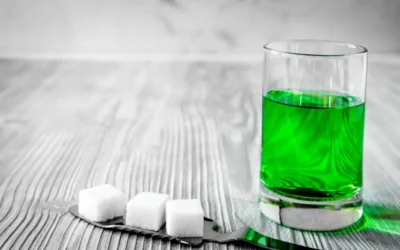
The main active ingredient in Salvia, salvinorin A, is a potent activator of kappa opioid receptors in the brain. Divino-rum has been ingested by chewing fresh leaves or by drinking their extracted juices. Its dried leaves can also be smoked as a joint, consumed in water pipes, or vaporized and inhaled.
Of course, the severity of a person’s symptoms will depend on how much they have had to drink. The Recovery Village Cherry Hill at Cooper offers comprehensive addiction treatment for drug and alcohol addictions and co-occurring mental health conditions. Understanding and recognizing the stages of alcohol intoxication isn’t just about knowledge; it’s about ensuring safety. It’s imperative to drink responsibly and seek help when patterns of misuse emerge. Everyone has a role in promoting safe alcohol consumption and supporting those in need.